So a lot of kids were shook up by the election results today. Here is a letter I received from my national organization NASP.
Dear Fellow NASP Member,
Today has been a day of many emotions. The NASP office and I have received numerous calls and emails from members across the country supporting students who are fearful, anxious, and feeling at-risk given the divisive tenor of the campaign. Unfortunately many schools saw negative behaviors and reactions toward minority and other students today.
I want to thank NASP members for reaching out to us for guidance and for all you are doing to support students, educators, and families. It is so imperative that we come together regardless of our own views, and unite for a safe and caring climate and community for all. We hope you find this guidance document helpful.
Please know that we are here to help and support you.
Subject: election reactions – what do we tell the students?
Good Morning Grizzlies,
The results of this election may be very emotional for our students and for ourselves. But I am constantly moved by the support, empathy, and compassion of our school community. I have great faith in our team’s ability to guide students who may be feeling affected by yesterday’s election. If anyone is interested in some guidance for student discussions, I found this article to be useful.
(See the “What do we tell the children” article below.)
The death of a pet can be very difficult for a family to cope with emotionally. This post has some insights and tools to use with your children to help with the process of grieving the loss of a pet.
7 Ways Parents Can Help a Child Through the Grief Process
1. Do not trivialize the death of a pet. Children need time and opportunity to mourn. They need their parents to validate their feelings and understand how much they miss their pet, and they may need to miss a day of school or a soccer game. “Grief is appropriate,” Segal says. “It’s how we heal from losses. Your child’s grief is an indicator that your child has learned to love.”
2. Suggest different ways to remember the pet. Your child may want to draw pictures of the pet, make a scrapbook, or create a memory box. She may want to have some sort of memorial service. She may want to place photos and mementos in a special place. Planting a tree in memory of a pet can also be comforting, Sife says.
3. Let the child’s caregivers know about the death. Inform your child’s teacher, babysitter, piano teacher, and coach. Let anyone know who might otherwise be confused by your child’s sadness. Ask teachers if anything is coming up in the curriculum that might warrant preparation—for example, will your child be studying a novel that features a pet or a death?
4. Don’t rush to replace the pet. It’s tempting to rush out and get a new dog or cat. Your child may even ask to get a new pet right away. But explain that the family needs time to mourn the loss of the pet that died.
5. Read age-appropriate children’s books that deal with pet death. There are many options, including the classic Dog Heaven, by Cynthia Rylant; the tender and touching Murphy and Kate by Ellen Howard; and I’ll Always Love You, by Hans Wilhelm.
6. Let your child know it’s okay to talk about death and about the pet. If the mention of death makes you upset, your child may avoid the topic and hold his feelings in. Let your child know death is a part of life and that it’s okay to talk about it. Let him know he can talk about his beloved pet, and share your favorite happy memories of the pet with him.
7. Seek outside help if your child has a hard time coping. If your child is already dealing with stress such as divorce, a parent’s illness, difficulties at school, or a conflict with a close friend or sibling, the death of a pet can bring on a crisis, Sife says. A counselor, psychologist, or therapist may be able to help.
The stress of losing a pet and seeing your child so upset might make you wonder if a pet is worth the inevitable grief. But the process of grieving strengthens families, Segal says. “When something happens and we get through it, trust is built,” she says. “We shouldn’t take away the pain in life…the more your child feels, the better life will be. The more we feel, the more meaning we find in life.”
Dealing With a Pet’s Death for Kids of Different Ages
Children respond to death differently depending on their age. Here are some general ways children of different ages may react to a pet’s death, according to Wallace Sife, author of The Loss of a Pet and founder of theAssociation for Pet Loss and Bereavement.
Ages 2-3: At this age, children do not have the life experiences to give them an understanding of death. They should be told that the pet has died and will not return. Reassure your child that he did not do or say anything to cause the pet’s death. Maintain usual routines, and most young children will accept the loss without a lot of emotion.
Ages 4-6: Children have some understanding of death but may not comprehend the permanence of it. They may even think the pet is asleep or is continuing to eat, breathe, and play somewhere. Frequent, brief discussions about the pet’s death will allow your child to express her feelings and ask questions.
Ages 7-9: At this age, children know death is irreversible. They might not be afraid that they will die, but they may worry about the death of their parents. Your child may ask questions that seem morbid, which parents should answer with honesty. Their grief may manifest itself in misbehavior or antisocial behavior at school.
Ages 10-12: Children understand that death is natural, inevitable, and happens to all living things. They look to their parents as role models in how to react to death. At this age, children may cry a lot and need lots of comforting.
Teenagers: Children of this age group may show anything from an apparent total lack of concern to excessively emotional reactions. One day they want to be treated like an adult, and the next day they need to be reassured like a young child. If friends are supportive, it is much easier for them to deal with a loss.
Young adults: The loss of a pet for this age group can be particularly hard. Young adults may have feelings of guilt for abandoning their pets when leaving home for college, work, or marriage, and may be unable to return to the family home to say goodbye to the pet. Again, supportive friends and coworkers may help, as will allowing the individual to discuss and remember the pet with family members.
I’ll Always Love You, by Hans Wilhelm. A boy and his pet dachshund grow up together, but one morning the dog doesn’t wake up. This tender book will touch any family who’s ever had to say goodbye to an old dog.
The Tenth Good Thing About Barney, by Judith Viorst. After a little boy’s cat dies, the family plans a funeral, and the boy is asked to recall ten good things about his pet.
When a Pet Dies, by Fred Rogers. This direct but sensitive book includes color photos of kids and encourages children to share their feelings of loss.Source
Building awareness with all kids to help them better understand the world around them is a should be a priority for schools. It is quite normal for kids to be curious about other children who may use special materials / equipment or behave/ learn differently. It is our role as parents, teachers, and citizens to support the kids in their understanding of these differences. Social Emotional Learning under the guidelines of CASEL should be a pillar in your school plan.
“Andy and His Yellow Frisbee” by Mary Thompson Pre-k -3rd “Be Good to Eddie Lee ” by Virginia Filling Pre-k -3rd “Arnie & the New Kid ” by Nancy Carlson Pre-k -3rd “Danny and the Merry-go-Round” by Nan Holcomb Pre-k -3rd “Let’s Talk about It” by Jennifer Moore-Mallinos Pre-K – 3rd “Leo the Late Bloomer” by Robert Kraus Pre-k -3rd “Fair and Square” by Nan Holcomb 1st – 2nd “I’m like You, You’re like Me” by Cindy Gainer 1st – 2nd “We can do it! by Laura Dwight 1st – 2nd “Rolling Along: The story of Taylor and his Wheelchair” by Jamee Heelan 1st – 5th “Adam and the Magic Marble” by Adam and Carol Buehrens 2nd – 6th
Middle and High School Disability Awareness Book Review
“are you alone on purpose?” By Nancy Werlin. Allison and Adam are twins but Adam has Autism and Allison is gifted. Their parents start going to synagogue and there they meet Harry, the Rabbi’s son, who is a bully and very mean to Adam. When Harry is injured and ends up in a wheelchair he becomes more vulnerable and Allison and Harry become friends. This is a moving story about learning about disabilities but toward the end there are a few cuss words. The story itself is marvelous, but due to some harsh language it is more for high school students.
“Don’t Stop The Music“ by Robert Perske. This novel is exciting and a fun adventure that teaches about physical disabilities and perceptions of able-bodied individuals toward people with disabilities. It has a crime mystery imbedded in a disability awareness book. This book would be wonderful for middle school students as well as young high school students.
“head above water” by S.L. Rottman. This novel is about a 16-year-old girl with an 18-year-old brother with Down Syndrome. Their mother works two jobs to make ends meet and therefore Skye takes on most of the caretaking activities with Sunny. This story highlights how it is having a sibling with a disability. Skye has her first boyfriend and having a brother who she needs to take care of gets in the way of her teenage life. There is some serious storyline as her new boyfriend pressures her to have sex and almost rapes her. It is wonderful how Skye defends herself and sticks up for what she believes in, however, this book would be appropriate for high school only due to the mature storyline.
“Petey” by Ben Mikaelsen. This novel examines the notion that people with physical disabilities are often assumed to have cognitive disabilities when they often do not. This story starts in the early part of the 1900s and follows Petey Corbin though living in an institution and then a nursing home. It is a delightful journey that clearly shows how non-disabled people often are frightened of people with disabilities until they get to know them. It is a particularly good book for boys and is appropriate for both middle and high school students.
“Rules” by Cynthia Lord. This is a Newbery Honor Book and Schneider Family Book Award winner. The story follows a brother with autism and a sister who shares a lot of responsibility for teaching her bother the rules of getting along in a world that does not always have compassion and understanding for someone with autism. Catherine creates rules to help David understand how to live in the world. Catherine also learns a few lessons about other disabilities. This is an excellent book for middle and high school alike.
“Views from our Shoes” Edited by Donald Meyer. This is a compilation of forty-five (45) short narratives of siblings of children with disabilities and how they view living with their siblings.
It is a nice view from children as young as four to as old as eighteen. This book is appropriate for middle and high school students.
“Wish on a Unicorn” by Karen Hesse. This novel uses imagination and wishes to explore the dreams of children living in poverty with a sibling with a disability. The relationship between the children and how protective they are of their sister with a cognitive disability is heart warming. It would be an easy novel to do writing activities with. What would you wish for if you found a unicorn? How would you handle a bully? This story lends itself to middle and high school students.
“The Summer of the Swans” by Betsy Byars. Newberry Award Winner. This novel tells the story of a family that includes a boy with a cognitive disability. This is a short book that easily shows the family dynamics and how it is to be a sibling of a child with a disability. This is a good book for middle school level.
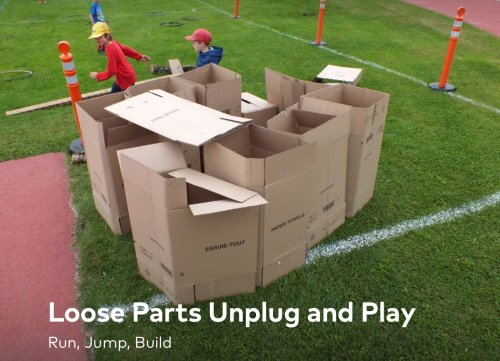
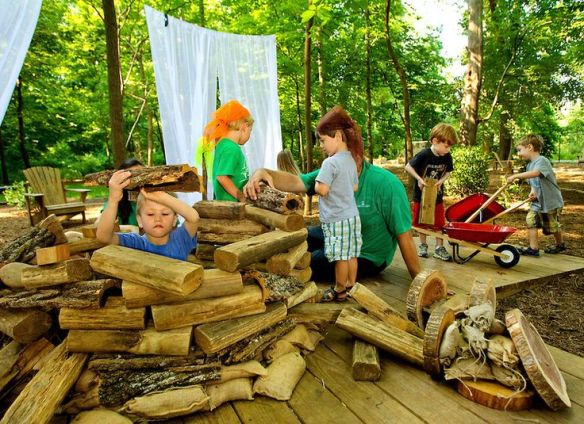
I have always noticed when my kids have a novel nondescript object (stick, box) to play with it tends to capture their imaginative states for longer periods of time. Living by the beach both my kids seem to find driftwood, shells, sticks and existing sand castle, holes, and sand mounds to play in and around for hours on end. This is what perked my interest in the idea of what I would later find to be labeled as the “Theory of loose parts”.
The theory of “loose parts” first proposed by architect Simon Nicholson in the 1970’s has begun to influence child-play experts and the people who design playspaces for children in a big way. Nicholson believed that it is the ‘loose parts’ in our environment that will empower our creativity.
Blogs reviewing the power and scope of Loose Parts.
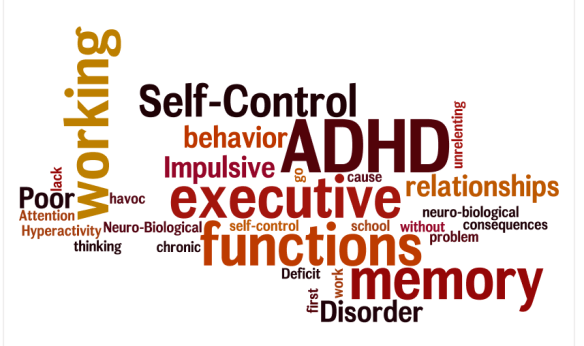
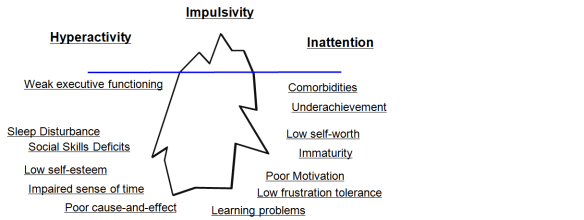
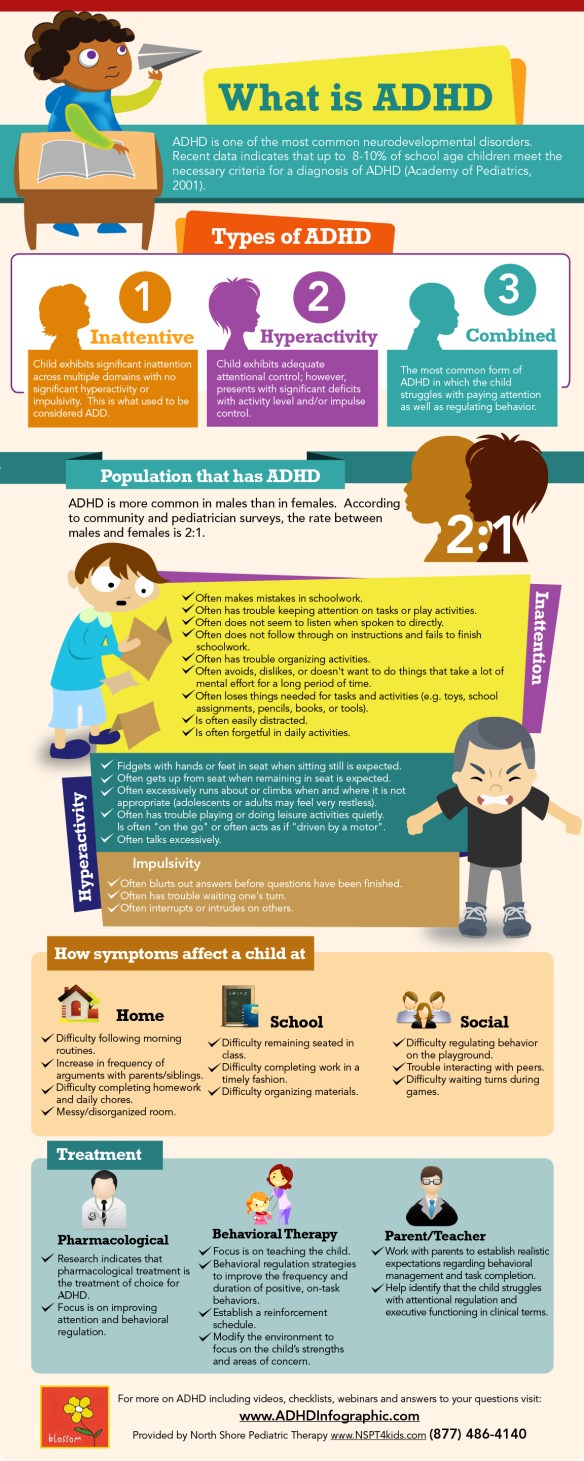
Active and inattentive students can be difficult to support in the classroom. In my experience the number one intervention is developing a trusting student/ teacher relationship. The second most successful intervention is high quality instruction that is predictable and measured. Below are some links to help with the process.
“Most teachers and adults could benefit from pretending that all kids in their class have ADHD – what is good for kids with ADHD is good for all kids.” – Dr. Hallowell
“Anger is the deepest form of compassion,” poet and philosopher David Whyte wrote in reclaiming the unseen dimensions of everyday words. “The internal living flame of anger always illuminates what we belong to, what we wish to protect and what we are willing to hazard ourselves for.” Anyone who has ever flared with anger at a loved one has brushed with this strange dissonance and knows it to be true on a most primal level. And yet we continue to judge — and especially to self-judge — only one side of anger, its destructive face, neglecting its paradoxical but profound constructive function as a mobilizing agent for our values. Source
We are almost back at another school year. Time to suit up and get the show on the road. Of course coming back to the classroom carries the gamut of feelings and expression of those emotions. So with that in mind here is a short list of readings and ideas, I have come across over the summer with my own return.
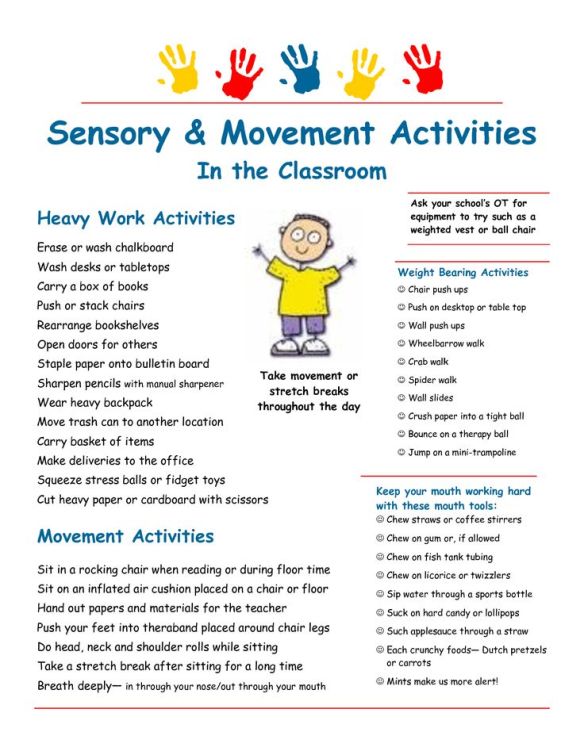
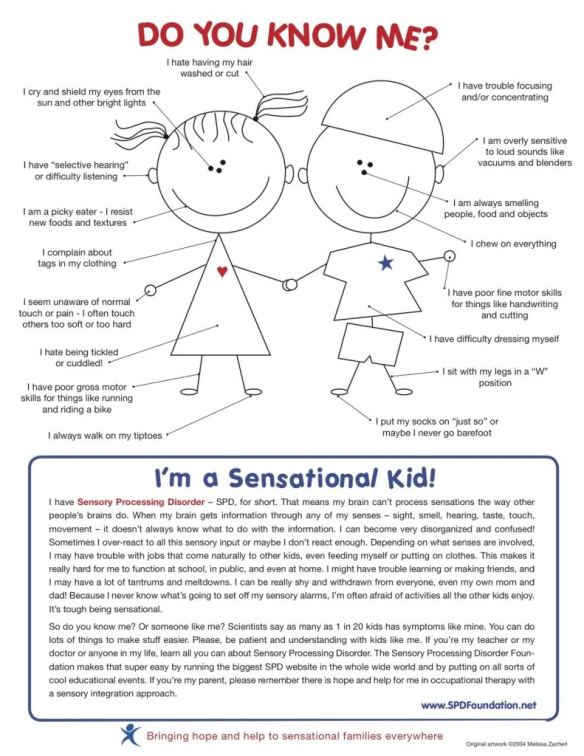
Some kids need extra practice and strategies to access the learning environment. Occupational Therapists have shown me a multitude of these tips to help with student learning. Here are some resources:
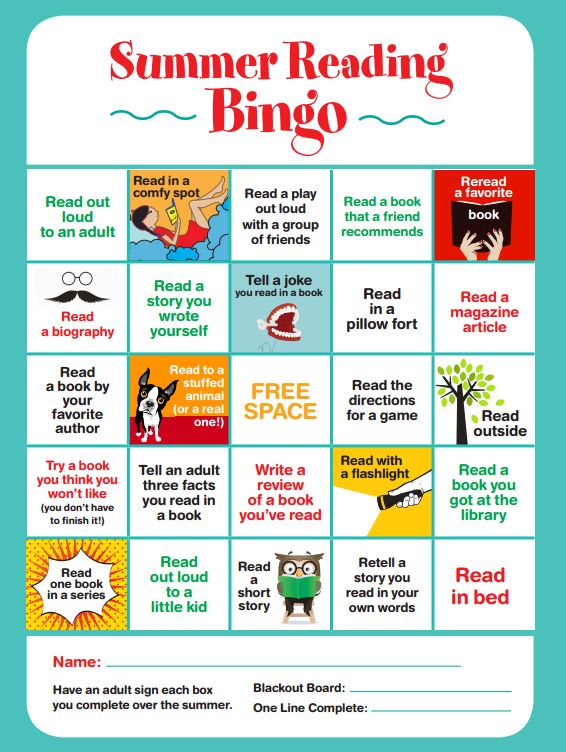
As the end of the school year approaches, many children and teachers are counting down to vacation. The activities and lesson plans in this collection will help you celebrate what you’ve all learned together and ease the anxiety of the transition to summer. Source
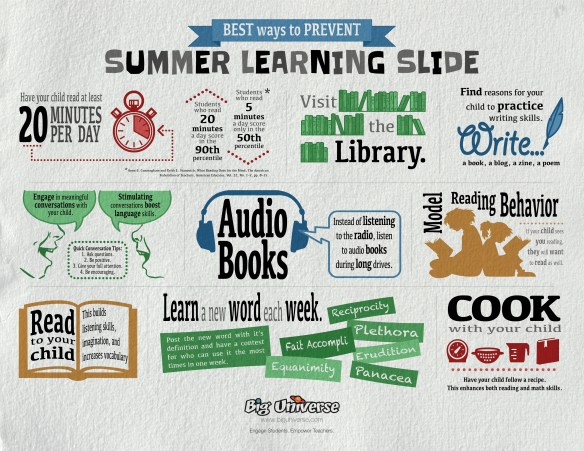
To succeed in school and life, children and young adults need ongoing opportunities to learn and practice essential skills. This is especially true during the summer months.
Many Americans have a wonderful image of summer as a carefree, happy time when “kids can be kids,” and take for granted the prospect of enriching experiences such as summer camps, time with family, and trips to museums, parks, and libraries.
Unfortunately, some youth face anything but idyllic summer months. When the school doors close, many children struggle to access educational opportunities, as well as basic needs such as healthy meals and adequate adult supervision.
Did You Know?
All young people experience learning losses when they do not engage in educational activities during the summer. Research spanning 100 years shows that students typically score lower on standardized tests at the end of summer vacation than they do on the same tests at the beginning of the summer (White, 1906; Heyns, 1978; Entwisle & Alexander 1992; Cooper, 1996; Downey et al, 2004).
Most students lose about two months of grade level equivalency in mathematical computation skills over the summer months. Low-income students also lose more than two months in reading achievement, despite the fact that their middle-class peers make slight gains (Cooper, 1996).
More than half of the achievement gap between lower- and higher-income youth can be explained by unequal access to summer learning opportunities. As a result, low-income youth are less likely to graduate from high school or enter college (Alexander et al, 2007).
Children lose more than academic knowledge over the summer. Most children—particularly children at high risk of obesity—gain weight more rapidly when they are out of school during summer break (Von Hippel et al, 2007).
Parents consistently cite summer as the most difficult time to ensure that their children have productive things to do (Duffett et al, 2004).







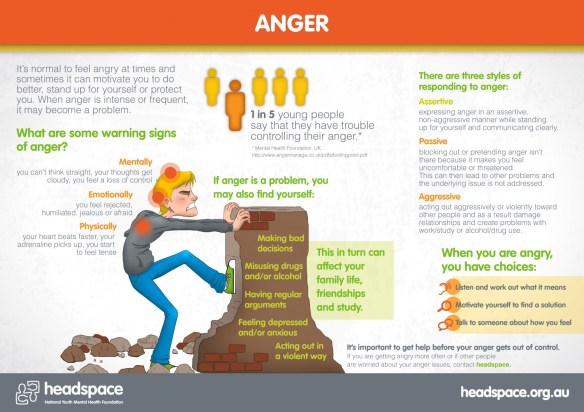
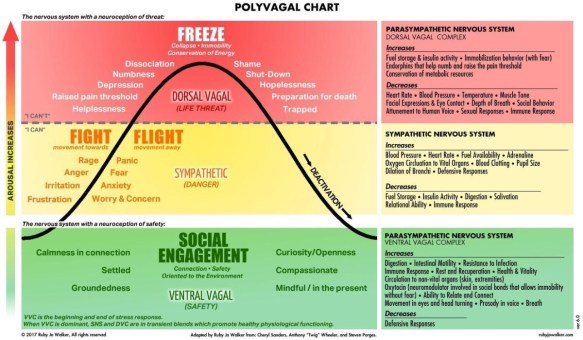 Anger –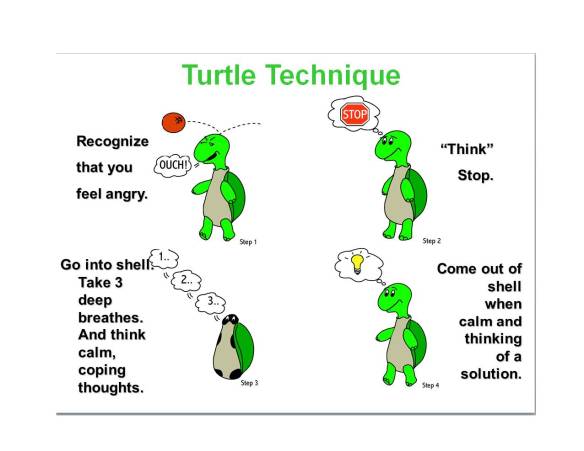
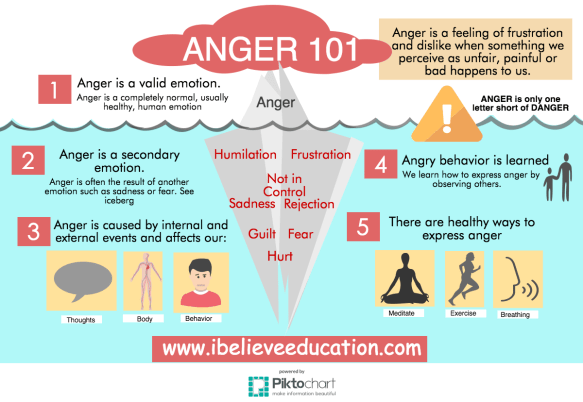
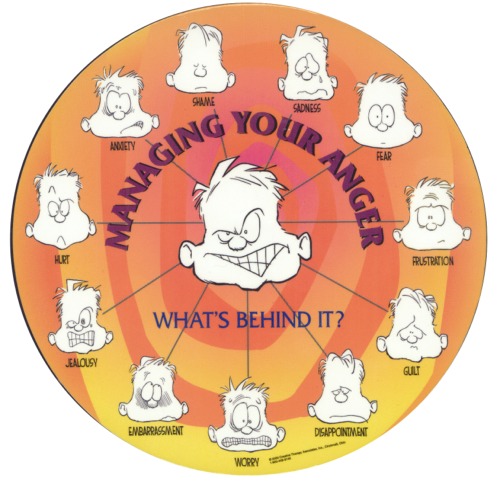





 Building Momentum in Schools