Say Their Names: A toolkit to help foster productive conversations about race and civil disobedience

Say Their Names | A&U Magazine

This tool kit is aimed to help educate and shift the lens of understanding systemic racism, as well as helping educators bring these anti-racist values into the classroom.

Say Their Names

Source

A toolkit to help foster productive conversations about race and civil disobedience

“In a racist society, it is not enough to not be non-racist, we must be anti-racist” – Angela Davis.

Say Their Names. George Floyd,  Breonna Taylor, Ahmaud Arbery, and the countless others that came before.

If you are planning on talking to your students or children about the recent racial violence or civil disobedience, please first read “Don’t Say Nothing” by Jamilah Pitts. This piece illustrates how vital it is to engage young people in conversations about race and racism, and Ms. Pitts lays out the argument better than we ever could.

We hope that you take this time to read, reflect, and engage with both the young people and adults in your life in conversations around how we can confront racism every day. Safeguarding our young people means that we all must do the work to think and act equitably, show up for our Black students and colleagues, interrogate our own biases, and live an actively anti-racist life.

Below are suggestions and strategies for educators and parents on having conversations with young people in school and at home about race, racism, racial violence, understanding biases, and how to take action for racial justice.

At this time, we must focus on our shared humanity, and prioritize learning and talking about the root causes of the current protests and interracial activism. This is a time to come together, listen, learn, share in the grief and in hope, and act for a more just, equitable, and racially conscious world.

If you have suggestions for any lessons or activities, please share them with us here.

For more information on social-emotional support and guidance, contact the CPS Office of Social and Emotional Learning at OSEL@cps.edu or your Network SEL Specialist.

For more information on resources, protocols, and practices for civil discourse, youth voice, civic learning, and engagement, or K–12 social science, contact the CPS Department of Social Science and Civic Engagement at SSCE@cps.edu.

For information on the CPS Equity Framework and supporting tools and resources, please visit cps.edu/equity.

Included in this document:

Where to start? Guidance for CPS staff, families, and community members.

Note: This is a living document and will be updated on an ongoing basis.

Make a commitment to:

  • Taking care of the mental and emotional health of our youth, our colleagues, and ourselves.
  • Listen. Talking about race, racial violence, racism, Black Lives Matter, and elevating youth voices.
  • Paying close attention to the news, media, and other information sources.
  • Working to be actively anti-racist.

Take care of yourself. Take care of others.

Educate yourself.

  • Educate yourself on the current moment and learn why people are organizing. Do research to better understand these issues, and do not rely on Black people to explain their feelings or their knowledge.

Engage our youth.

Resources for Realizing Our Commitment to Anti-racist Education:

  1. Consider the mental and emotional health of our youth, our colleagues, and ourselves.
  • How can I support youth through this trauma?
  • How can I use restorative practices to host healing spaces?
  • Where can I find resources for myself and my colleagues?
  1. Talk about race, racial violence, racism, and Black Lives Matter.
  • How do I start conversations about these topics and support youth remotely?
  • How do I support Black youth without inducing further trauma?
  • How do I talk about this with non-black youth?
  • How do I talk about this with elementary-aged youth?
  • How do I show up for my Black colleagues?
  1. Pay close attention to media and information.
  • How is this story being told, and why is this important?
  • How should I consume media at this moment? What questions should we be asking ourselves?
  • How do we hold the media accountable? How are we accountable for the information we share?
  1. Be actively anti-racist.
  • What does it mean to be anti-racist and why is it important?
  • What does it mean to be an anti-racist educator?
  • How do I take action? How do I get involved?

Review additional resources for teaching and talking about race, violence, and police violence.

Consider the mental and emotional health of our youth, our colleagues, and ourselves.

Violence has an impact on all of us, especially on our mental health. The protests that have gripped our city and nation reflect the hurt, anger, and pain of generations of racial trauma. Emotional responses may manifest in different ways, including anger, irritability, grief, and hopelessness. We should be aware of signs of trauma or distress not only for our youth but also for ourselves and our colleagues.

How can I support young people through this trauma?
Title/Resource Description Link
When We Normalize Racism And Bigotry, We Do Violence To Our Mental Health This brief statement from Mental Health America calls attention to the impact of violence (including witnessing violent events in media reports) on our mental health, and especially the mental health of marginalized communities. The statement also contains links with additional information and resources. https://mhanational.org/when-we-normalize-racism-and-bigotry-we-do-violence-our-mental-health
Addressing Race and Trauma in the Classroom: a Resource for Educators This resource from the National Child Traumatic Stress Network (NCTSN) is designed to help educators understand the interplay of race and trauma in the classroom. The guide reviews historical trauma and racial trauma explains the impact of trauma on different age groups and offers supplemental resources. NCTSN: Addressing Race & Trauma in the Classroom
Managing Strong Emotional Reactions to Traumatic Events: Tips for Families and Teachers This resource from the National Association of School Psychologists provides a brief review of anger—a common reaction to trauma—and reminds adults of how the reactions of children and youth are influenced by adult responses. NASP: Managing Strong Emotional Reactions to Trauma
Responding to Student Mental Health Concerns During School Closure This district guide provides guidance on responding to student mental health concerns during remote learning, including a list of mental health resources. Responding to Student Mental Health Concerns
How White Parents Can Talk About Race NPR’s Michel Martin talks to Jennifer Harvey, author of Raising White Kids: Bringing Up Children in a Racially Unjust America, about how to talk with white kids about racially-charged events. https://www.npr.org/2020/05/31/866426170/raising-white-kids-author-on-how-white-parents-can-talk-about-race
Mindfulness Techniques for Students and Staff Calm Classroom is a simple and accessible way to integrate mindfulness into the classroom or home culture. Mindfulness is the ability to pay attention to our present moment. The daily practice of mindful breathing, stretching, focusing, and relaxation exercises cultivates a greater sense of self-awareness, mental focus, and emotional resilience within educational and personal spaces. https://mcusercontent.com/8b2c19337fef7c5607939c263/files/6ca21f04-5bd5-4841-be21-6bf20902f13f/Keep_Calm_Practice_Calm_Classroom.01.pdf
How can I use restorative practices to host healing spaces?
Title/Resource Description Link
How to Host a Virtual Circle Guidance on how to facilitate and adapt the model of an in-person circle for a virtual, online setting. Previous experience facilitating in-person circles is helpful but not necessary. https://healingcirclesglobal.org/how-to-host-a-virtual-circle/
Circle Forward Sample scripts for hosting talking circles from the Circle Forward book specifically related to grief, loss, and trauma. Circle scripts
Where can I find resources for myself and my colleagues?
Title/Resource Description Link
Mental Health America: Supporting Others This article shares simple actions that anyone can take to help others who are going through difficult times. https://mhanational.org/supporting-others
Radical Self-Care in the Face of Mounting Racial Stress This article from Psychology Today provides steps for cultivating hope during times of distress and provides self-care strategies for adults. Psychology Today: Radical Self Care in the Face of Mounting Racial Stress
CPS Employee Assistance Program While it is great to check in with family, friends, and colleagues, sometimes it also helps to talk to someone who is trained to help you understand and work through feelings and emotions. Please remember that you are always welcome to reach out to the Employee Assistance Program. These services are confidential. Employee Assistance Program
The American Nightmare This thinkpiece provides insight to the mental, social, and historical impacts of systemic racism in America on Black people and how we have arrived at our current state in America. The American Nightmare
Your Black Colleagues May Look Like They’re Okay — Chances Are They’re Not This article highlights the stressors of working while Black during a pandemic in which race is both a factor and a trigger. This article supports empathetic thinking and social awareness. Your Black Colleagues May Look Like They’re Ok- Chances Are They’re Not
Detour Spotting for White Anti-racists How can white allies monitor their own patterns of behavior through an anti-racist lens in order to not perpetuate white supremacy? Detour Spotting for White Anti-racists
Avoiding Racial Equity Detours Describes four detours to racial equity work and how we can identify and avoid them. Avoiding Racial Equity Detours

Talk about race, racial violence, racism, and Black Lives Matter.

“Our lives begin to end the day we become silent about things that matter.”- Dr. Martin Luther King Jr.

These resources explore our responsibility as educators, parents, and citizens to discuss race, racial violence, racism, and Black Lives Matter with youth, as well as resources to help us do this work.
Please note that schools and teachers should provide families and youth with an opt-out option. No matter how well-planned and expertly-facilitated these conversations are, they can be re-traumatizing to Black youth.

How do I start the conversation and support youth remotely?
Title/Resource Description Link
Violent protests are not the story. Police violence is. This article provides information about the root causes of the protests and emphasizes why we need to focus on police brutality and racial discrimination. Violent protests are not the story. Police violence is
Facing History and Ourselves: Teaching In The Wake Of Violence This resource is a guide for teachers on navigating conversations with their students after news of a mass shooting, terrorist attack, police violence, and other violent events. Teaching In The Wake Of Violence
Teaching Tolerance: Black Lives Matter Still Matters This resource outlines why it is important to teach young people of all races about the Black Lives Matters movement, its origins, and its continued relevance. Black Lives Matter Still Matters
NYCSchools: Fostering Community During Remote Learning~Teacher Reflection Guide This guide provides reflection questions and ideas for teachers seeking to foster a welcoming and affirming remote learning environment. This guide can be used for individual reflection and as a jumping off point for group reflection. Fostering Community During Remote Learning~Teacher Reflection Guide
Anti-Defamation League: George Floyd, Racism and Law Enforcement “Table Talk: Family Conversations about Current Events” This reading provides suggestions for how educators, parents, families, and caregivers can discuss George Floyd, police violence, racism, and protests with youth. It also includes discussion questions and suggestions for how to take action. Table Talk: Family Conversations about Current Events
Talking About Race.  The National Museum of African American History and Culture Talking about race, although hard, is necessary. These tools and guidance are designed to empower your journey and inspire conversation. Many of the tools for educators are PK-12. And there are great resources for individual work, no matter your role. https://nmaahc.si.edu/learn/talking-about-race
How do I support Black youth without inducing further trauma?
Title/Resource Description Link
Teaching Tolerance: Black Minds Matter This resource outlines the impact of racial disparities in mental health access and treatment and how schools and educators can play a major role in helping to mitigate those disparities. Black Minds Matter
Teaching Tolerance: Don’t Say Nothing. Silence Speaks Volumes. Our Students Are Listening. This resource outlines the importance and duty of educators to acknowledge and discuss race and racism with youth. Don’t Say Nothing. Silence Speaks Volumes. Our Students Are Listening.
Teaching Tolerance: Ending Curriculum Violence This article from Teaching Tolerance explores how despite the best intentions, teachers can create “curriculum violence” that can have detrimental effects on our youth. Ending Curriculum Violence
How do I talk about race, racial violence, racism, and Black Lives Matter with non-black youth?
Title/Resource Description Link
Anti-Defamation League: How Should I Talk About Race in my Mostly White Classroom? This resource provides guidance and considerations for how to engage in reflection and discussion on race and racism with white youth. How Should I Talk About Race in my Mostly White Classroom?
Safe Space Radio: Tips and Strategies “Talking to White Kids about Race and Racism” This resource provides tips for educators and parents on how to have a conversation on race and racism with white youth. Tips and Strategies: Talking to White Kids about Race and Racism
Letters For Black Lives: An Open Letter Project on Anti-Blackness This resource includes letters written by Asian American and Latinx American youth to their parents about the importance of centering Black lives in any discussion on race, discrimination, and injustice. It is an example for how non-black students can engage in learning and reflection on race, racism, and Black Lives Matter. Letters For Black Lives
New York Times: A Conversation on Race This resource includes a series of videos on different racial and ethnic groups describing their experiences with racism, including the following:

  • A Conversation with my Black Son
  • A Conversation About Growing Up Black
  • A Conversation With Black Women on Race
  • A Conversation with Latinos on Race
  • A Conversation with Asian-Americans on Race
  • A Conversation with Native Americans on Race
  • A Conversation with White People on Race
  • A Conversation with Police on Race
A Conversation on Race
How do I talk about this with elementary-aged youth?
Title/Resource Description Link
Teaching Tolerance: Y’all Still Don’t Hear Me Though This text for grades 6-8 features a 2015 essay by Lecia J. Brooks as she recounts her perspective as a protester who participated in the Los Angeles Race Riots that followed the trial of those who had committed police brutality against activist Rodney King. Her account details the pervasiveness of police brutality and why demonstrators protest against it. Y’all Still Don’t Hear Me Though
Children Community School: Social Justice Resources This site contains resources and considerations for how to discuss race and social justice topics including racism, police brutality, and protests with youth. Children Community School: Social Justice Resources
Edutopia: Teaching Young Children About Bias, Diversity, and Social Justice This resource contains five strategies for engaging youth in learning and discussion on bias, diversity, and social justice. Teaching Young Children About Bias, Diversity, and Social Justice
Oakland Library: Talking to Kids about Racism and Justice, a list for Parents, Educators, and Caregivers (Pre-K and up) This resource provides a list of educational resources to engage young people (Pre-K and up) in learning about racism and justice. Talking to Kids about Racism and Justice, A list for Parents, Educators, and Caregivers

Pay close attention to media and information.

Media has power. What we see and hear shapes what we think, how we see ourselves, and how we engage with the world around us. Teaching young people at all ages critical media and information literacy skills is key for preparing youth for civic life.

How is this story being told, and why is this important?
Title/Resource Description Link
Facing History and Ourselves: How Journalists Minimize Bias This lesson from Facing History and Ourselves asks youth to consider how biases and stereotypes influence the way we interpret the world around us and how both journalists and media consumers address issues of bias in themselves and others. How Journalists Minimize Bias
5 Key Questions and Concepts that can Change the World It is important that we cultivate critical media dispositions and skills in our youth so that they consume information effectively. Edutopia: Social Media and 5 Key Concepts

Free lessons from the Center for Media Literacy using 5 Key Concepts/Questions that can be used with students every day.

Why Are All the Black Kids Sitting Together in the Cafeteria? (And Other Conversations about Race) The chapter from Beverly Daniel Tatum’s book “Defining Racism: Can We Talk?” explores the definition of racism, its cost, and impact. Why Are All the Black Kids Sitting Together in the Cafeteria?
Here’s What You Need to Know About Breonna Taylor’s Death This article provides a timeline of the events surrounding the killing of Breonna Taylor, whose death has received national attention and whose name has been included alongside Ahmaud Arbery and George Floyd in discussions about violence against Black Americans. Here’s What You Need to Know About Breonna Taylor’s Death
How should I consume media at this moment? What questions should we be asking ourselves?
Title/Resource Description Link
Teaching Tolerance: Living with the Bear This article discusses how constant exposure to violence via social media is harming our youth, and how we can give them the support they need. Living with the Bear
Teaching Tolerance: Teaching Students about Confirmation Bias This article focuses on concerns about the impact of fake news by helping youth know and understand confirmation bias (our tendency to more readily believe information that supports—or confirms—our existing worldviews and to exclude information that might contradict previously held assumptions). Teaching Students about Confirmation Bias
Teaching Tolerance: A Classroom Discussion About the Media, Trust, and Knowledge This article encourages students to think through problems in the contemporary media landscape to help them become more active, open-minded knowledge-seekers. A Classroom Discussion About the Media, Trust, and Knowledge
How do we hold the media accountable? How are we accountable for the information we share?
Title/Resource Description Link
Vox: Media Coverage of Protests Sure Looks Different when Demonstrators are White This article examines how the media covers protests when the demonstrators are white. Vox: Media coverage of protests sure looks different when demonstrators are white
When They See Us: Improving the Media’s Coverage of Black Men and Boys This article shows  how media coverage shapes the ability of individuals and communities to receive fair and equal justice and how persistent trends of distorted media depictions of Black men and boys contribute to negative stereotypes, inequitable treatment, and unequal opportunities. When They See Us: Improving the Media’s Coverage of Black Men and Boys

Be actively anti-racist.

“In a racist society, it is not enough to not be non-racist, we must be anti-racist” – Angela Davis.

These resources explore what it means to be anti-racist and its importance to our role as educators, parents, and citizens. We must first listen, then learn, discuss, and act.

What does it mean to be anti-racist and why is it important?
Title/Resource Description Link
National Museum of African American History and Culture: Being Anti-racist This hand-out explores and offers guidance on the  the following topics:

  • What does it mean to be anti-racist?
  • Becoming an anti-racist as a white person.
  • Becoming an anti-racist as a person of color.
Racial Healing Handbook: Practical Activities to Help You Challenge Privilege, Confront Systemic Racism, and Engage in Collective Healing
Teaching Tolerance: White Anti-Racism: Living the Legacy A conversation about power, privilege, identity, and what it means to be anti-racist with community activists incuding:

  • Diane Flinn, a white woman and managing partner of Diversity Matters.
  • Georgette Norman, an African American woman and director of the Rosa Parks Library and Museum.
  • Sejal Patel, a South Asian American woman and community organizer in South Asian immigrant communities.
  • Yvette Robles, a Chicana and Community Relations Manager in Los Angeles.
White Anti-Racism: Living the Legacy
How can I be an anti-racist educator?
Title/Resource Description Link
Edweek: The Urgent Need for Anti-Racist Education As educators, we don’t just teach content; we teach life lessons. Here are changes we can make to ensure we are breaking down racist beliefs and systems of white supremacy in our own classrooms. The Urgent Need for Anti-Racist Education
ASCD: How to be an Anti-Racist Educator Included in this article are five actions we can take to be anti-racist educators for our youth, including “Engage in Vigilant Self-Awareness,” “Study and Teach Representative History,” and “Talk about Race with Youth.” How to be an Anti-Racist Educator
Edutopia: Creating an Anti-Racist Classroom This resource helps us to reflect on our own biases and about our own practices in the classroom as we engage in anti-racist work. Creating an Anti-Racist Classroom
Chicago Regional Organizing for Anti-Racism Chicago ROAR is a regional program of Crossroads Antiracism Organizing and Training. The purpose of Chicago ROAR is to dismantle systemic racism and build anti-racist multicultural diversity within institutions and communities by training institutional transformation teams
They are offering free virtual workshops.
Chicago Regional Organizing for Anti Racism

Additional resources for teaching and talking about race, violence, and police violence.

Title/Resource Description Link
NY Times: First Encounters with Race and Racism: Teaching Ideas for Classroom Conversations This is a lesson plan from the New York Times on how to engage youth in conversations about race, including discussion questions, videos on race and implicit bias, and voices from youth about their experiences with racism. First Encounters with Race and Racism: Teaching Ideas for Classroom Conversations

Social Emotional skills taught by Mr. Parker

Mr. Parker's Lessons

Mr. Parker is a School Psychologist who has creatively published a series of Social-Emotional videos on YouTube. He uses music and songs to help teach vital social-emotional skills. Here is a link to his website: HERE

Mr. Parker’s Videos

Empathy: An important tool, now more than ever

Paying Attention: Help children be fully alert and present in the moment

I Messages: Help children effectively communicate their feelings

Feelings: Emotions are a natural part of the human experience

Perspectives: The world may look much different when we put ourselves in another’s shoes

Worries: Help children understand a feeling that is likely to be common during the pandemic

Paraphrasing: Help children listen to understand rather than listen to respond

Happiness: What brings us you?

HEARS Method: Help children show empathy and active listening skills

Getting Started: Help children understand the importance of taking initiative

Anger: The human emotion that we must all learn to manage

Triggers: Help children understand the factors that contribute to their emotions

Expressing Your Feelings: Help children make positive choices when they experience various emotions

Consequences: Help children engage in thoughtful behaviors

Deep Breathing: A healthy coping tool for children in times of stress

Calming Down: Help children learn emotional regulation strategies


Teen Wellness Workbooks via Misty Bonita School Psychologist

hope-quotes-long-2

In this time of overall melee in the United States, we need Mental Health supports to help cope with all that we are experiencing. These teen resources gathered by School Psychologist Misty Bonita a Licensed Educational Psychologist, NCSP Ed.S are a wealth of strategies for coping and growing in a variety of social-emotional and life issues.

Source

Wellness Workbooks

The Anger Workbook

The Anger Workbook for Teens.pdfThe Anger Workbook for Teens.pdf

From Anger to Action

From Anger To Action Workbook.pdfFrom Anger To Action Workbook.pdf

Anxiety Survival Guide for Teens

The Anxiety Survival Guide for Teens.pdfThe Anxiety Survival Guide for Teens.pdf

Beyond the Blues–Workbook for Teens on Depression

Beyond The Blues-Workbook to Help Teens Overcome Depression.pdfBeyond The Blues-Workbook to Help Teens Overcome Depression.pdf

Think Confident, Be Confident (Self-Esteem Workbook)

Think Confident, Be Confident (Workbook for Self-Esteem).pdfThink Confident, Be Confident (Workbook for Self-Esteem).pdf

Executive Functioning Workbook for Teens

The Executive Functioning Workbook for Teens.pdfThe Executive Functioning Workbook for Teens.pdf

Relationship Skills 101 for Teens

Relationship Skills 101 for Teens.pdfRelationship Skills 101 for Teens.pdf

Grief Recovery for Teens

dochub.com/mistybonta/2bZJ8My/grief-recovery-for-teens-pdf?dt=AH7__jNpCJkdYhyEqfUC

PTSD Survival Guide for Teens

dochub.com/mistybonta/pk9pWQQ/ptsd-survival-guide-for-teens-pdf?dt=348LNvUUo9Dg__xx8CdR

Rewire Your Anxious Brain for Teens

dochub.com/mistybonta/wolk4V1/rewire-your-anxious-brains-for-teens-pdf?dt=o4GmNJYJzoqnjzap4CsN

The Body Image Workbook for Teens

dochub.com/mistybonta/ba1YX8a/the-body-image-workbook-for-teens-pdf?dt=QozH-VWQLYssLqZkCbVv

The Gender Quest Workbook for Teens

The Gender Quest Workbook.pdfThe Gender Quest Workbook.pdf

Self -Esteem Workbook for Teens

dochub.com/mistybonta/3jJwYgP/self-esteem-for-teens-pdf?dt=q_cynEA4bdCrX4e-2EzR

Relaxation and Stress Reduction for Teens

dochub.com/mistybonta/NVrW99V/relaxation-and-stress-reduction-workbook-for-teens-pdf?dt=gsNunRTCu7HSxxqfsQ_o

Insomnia Workbook for Teens

Lumin PDF – Beautiful PDF EditorView, edit and annotate pdf documents with Lumin PDF

Mindfulness and Acceptance Workbook for Teen Anxiety

dochub.com/mistybonta/Q257xgk/mindfulness-and-acceptance-workbook-for-teen-anxiety-pdf?dt=EazcotU6yb9qSYgFbBQ2

Panic Workbook for Teens

dochub.com/mistybonta/RWNrgMr/panic-workbook-for-teens-pdf?dt=exvAtxAik6UtzQtyRk1v

Growth Mindset Lessons

FINAL+Growth+Mindset+Lesson+Plan.pdfFINAL+Growth+Mindset+Lesson+Plan.pdf

Trauma Focused CBT Workbook

Dealing-with-Trauma-TF-CBTWorkbook-for-Teens-.pdfDealing-with-Trauma-TF-CBTWorkbook-for-Teens-.pdf

Your Kids Aren’t Too Young to Talk About Race: Resource Roundup By Katrina Michie and NASP statement on Ending Racism

Obviously with the riots and unrest in the United States, parents should take the opportunity to speak with their kids about race. Here are some resources to start that conversation Right now.

Below is a statement from the National Association of School Psychologists on a call for action to end racism.NASP STATEMENT

Resource Roundup-

Written By Katrina Michie

Source from Pretty Good

So you’ve realized your kids aren’t too young to talk about race, so now what? We’ve rounded up some resources for you to start.

I found this short podcast put together by NPR and the Sesame Street Workshop to be a great one for a primer and understanding on how to talk to young children about race:

Talking Race With Young Children (Podcast Episode)

The Children’s Community School in Philidelphia did all the research and legwork on this information. We adapted it. Check out their amazing resource page here:

http://www.childrenscommunityschool.org/social-justice-resources/?fbclid=IwAR37PWDJSNV3HiG5Rp9sgezRAW80UtggMrCfntubK6euibscUgsw4607fAQ

More Articles and Tips for Parents and Caregivers:

Anti-Racism For Kids 101: Starting To Talk About Race

Here’s How W. Kamau Bell Talks About Race With His Kids

100 Race-Conscious things you can say to your child to advance racial justice

Article on Raising Race-Conscious Children

4 Things We Should All Teach Kids About Racism Right Now

Great Educational Podcast for Adults on the History of Race in America

Seeing White Series on Scene On Radio

For Teachers & Educators:

Teaching Tolerance: Race & Ethnicity

Books for Adults:

So You Want to Talk About Race by Ijeoma Oluo

Books for Children

The Ultimate 2018 List of Diverse Books For Children (Here Wee Read is a great resource for books! Follow her Instagram!)

No White Saviors: Kids Books About Black Women in US History (Books For Littles)

Children’s Books By Brilliant Black Women: #OwnVoices Authors & Illustrators (Books for Littles)

A few more:

Whose Toes Are Those? by Jabari Asim

Let’s Talk About Race by Julius Lester

Lovely by Jess Hong

Sugarplum Ballerinas by Whoopi Goldberg

Toys:

People Colors Crayon Pack

Sugarfoot Rag Dolls

Pattycake Doll Company

A roundup of Studies and Articles cited in the Infographic above:

Three-month-olds, but not newborns, prefer own-race faces

Handbook of Race, Racism and the Developing Child

Developmental Psychopathology: Perspectives on Adjustment, Risk, and Disorder

The development of implicit intergroup cognition

How Kids Learn Prejudice

Even Babies Discriminate: A Natureshock ExcerptKatrina Michie

Strengthening Positive Parenting Practices During a Public Health Crisis (NASP Article)

Latino Dads Improve Parenting Skills By Reading To Their Kids : Shots - Health News : NPR

Strengthening Positive Parenting Practices During a Public Health Crisis
— Read on https://www.nasponline.org/resources-and-publications/resources-and-podcasts/covid-19-resource-center/special-education-resources/strengthening-positive-parenting-practices-during-a-public-health-crisis

Link to PDF: Here

Strengthening Positive Parenting Practices During a Public Health Crisis

PART 1: INTRODUCTION

During these times of stress and uncertainty, it can feel like our worlds have been turned upside down. This is not only true of service providers, students, and teachers, but also the families we serve. We know that increased stressors including job insecurity, housing insecurity, and generalized anxiety regarding health can impact the wellness of all members of the family system. Similarly, when one member of a family group is experiencing distress, this can cause shifts in the behavior, thinking, and relatedness of other members of the system (Bowen, 1966; Boyd-Franklin & Bry, 2012). With great levels of stress, risky parenting behaviors may come to the fore. Cumulatively, these risky parenting behaviors—even when they do not rise to the level of reportable abuse or neglect—remain a significant societal problem, and the likelihood for it to increase may be exacerbated by global crises and stressors.

In most cases, parents are able to maintain safe parenting practices, even during difficult times. A lot of parents are feeling overwhelmed and emotionally exhausted. In fact, many feel like they are not being the kind of parents they want to be or typically are. One of the first steps we can take in building partnerships is to validate and normalize parents’ reactions and experiences. Reminding parents that their feelings are normal reactions to a very abnormal situation can be invaluable. Alternatively, some parents are experiencing extraordinary distress, and they may make parenting choices that are less than optimal. In these situations, there may be a need to recognize and respond to suspicions of child maltreatment. The first step in responding to risky parenting practices is to work to enhance parenting capacity, to help families succeed and thrive. Understanding that parents and caregivers desire and want to be better parents is instrumental in helping them succeed (Prevent Child Abuse North Carolina, 2018). One of the most important roles of the school psychologist in supporting families is to mitigate risk factors and enhance protective factors. Such a framework can decrease the likelihood of abuse, maltreatment, and neglect and help families thrive.

Increasing Protective Factors

  1. Parental Resilience: Parenting is hard and all parents will encounter crises at some point, but parents who can weather the challenges and bounce back have safer, healthier children. School psychologists can promote parental resilience through promoting basic problem-solving skills, providing crisis support as needed, and helping parents access needed resources and community supports.
  2. Social Connections: Parenting is much easier if parents don’t do it all alone. Having a support network is important for a person’s social and emotional needs. Parents connected to community and friends are better able to meet children’s needs. Promoting virtual or phone contact between parents and support networks can ease parental distress, and can support and strengthen healthy parenting practices.
  3. Knowledge of Parenting and Child Development: Knowing what milestones are coming and how to effectively deal with them help prepare parents to care for their children. Knowledge of parenting and child development is like having directions to find your destination rather than hoping the signs you need will be clear and visible.
  4. Concrete Support in Times of Need: We all need a hand now and then. Parents who have dependable support and are not afraid to turn to others for help are less likely to be involved in abuse and neglect. Thus, supporting parents in reaching out to community supports can strengthen parental well-being and improve child-rearing practices.
  5. Social and Emotional Competence of Children: Many of the activities professionals do with children promote a child’s ability to interact positively with others and parents’ ability to nurture that development. Giving a child language to express his or her emotions, role modeling how to respond sensitively to a child, and promoting attachment and bonding between parents and children are all ways to help prevent child maltreatment (Prevent Child Abuse North Carolina, 2018).

PART 2: THE ROLE OF THE SCHOOL PSYCHOLOGIST

Begin with asking, “What can I do?” Many of us are feeling equally overwhelmed by the unexpected stressors brought on by the COVID-19 pandemic. Reflect on how you have functioned in your role and consider how your skills can be best utilized given the limitations of remote learning. Developing your own professional action plan will help you address the mountain of need one pebble at a time, thus helping you be more effective in your work and at the same time reducing unnecessary stress and anxiety that can arise out of uncertainty.

Action Plan

  1. Reflect on the needs of your individual school and the children/families you serve.
  2. Consider your role and function as a school psychologist within the present societal context.
  3. Identify ways in which you can support families and children proactively.
  4. Identify ways in which you can support teachers or other school officials as they engage with their students.
  5. Create weekly benchmarks and regularly review whether you are making progress toward goals.

As schools operate through a remote learning format, school psychologists can support families in managing stressors through both prevention and intervention frameworks. Our unique skill set equips us to examine our schools from the perspective of individuals and communities and help identify and connect those in need with the support necessary to help families maintain their emotional health. Be a STAR during this challenging time, and use this parent training practice to support the families you are working with.

Teach Your Parents to Stop, Think, Act, and Reflect Parent Response/Feedback to the Activity
S Stop: (A) Have the parent identify when they are about to lose their temper with their kids. Coach the parent to take a brief break before responding to their children. (B) Ask the parent: What has been causing you to “lose your cool” recently in your interactions with your kid(s)? (A)


(B)

T Think: (A) Have the parent identify alternative manners to respond to challenging child behaviors. (B) Ask the parent: How can you respond differently to your child(ren) when they behave in ways you believe are inappropriate? (A)


(B)

A Act: Have the parent try out their new strategy. (A) How did things go when you tried your new strategy? (A)
R Reflect: Have the parent reflect on what went right and what can be improved when they tried out their new response to their children’s challenging behavior(s).(A) What can you do differently next time to more effectively parent your child(ren) when they are engaging in this challenging behavior(s)? (A)

PART 3: PRACTICAL ACTION STEPS

Parents want what is best for their children. Unfortunately, stress and stressors can get in the way and impede healthy parenting. The COVID-19 pandemic is resulting in huge stress for families. Direct and indirect fallout from the pandemic can sometimes result in parents interacting with their children in ways they may later regret. Here are some tips school psychologists can share with stressed out parents during these difficult times.

Assessing Parenting Stress Levels

How parents handle stress, including the fallout from COVID-19, can contribute to risky parenting behaviors. One way to help parents is to teach them self-monitoring of their distress. Parents can rate their stress level, through a simple thermometer metaphor. Teach parents to ask themselves: “On a scale of 1–10, how stressed out am I feeling at the moment?” Have the parent identify two or three simple coping skills they regularly use, which they could use quickly and easily to destress. This includes brief activities such as listening to music, playing a video game, or taking a walk in the backyard. Set up a system where parents complete this self-assessment a few times throughout the day. When stress levels are high, have parents use one of their identified coping skills. You can find a feelings thermometer and many useful cognitive–behavioral therapy (CBT) worksheets online here. Also, reputable CBT and psychoeducation worksheets that can be helpful when working with parents and families can be found here.

In addition to assessing current stress levels, there are other steps we can take to better understand and address the needs of the families school psychologists support. As we seek to support all families, it may become apparent that specific families need more direct care. Your parents may find websites on how to start an individual mindfulness practice or on parental mindfulness helpful. To better understand these specific contextual needs of our families, consider the following.

  1. Assess parent/family stress and resources: Conduct a brief needs assessment to identify primary areas of concern (food insecurity, housing insecurity, stress management, managing remote learning, family dynamics). A needs assessment is a systematic process to identify or determine family needs, and to identify barriers impeding access to needed resources. Identifying the discrepancy between the current condition and the desired one should be prioritized by you as the school psychologist, so that you can provide the tools and resources that can best mitigate the discrepancies between current and desired conditions.
  2. Safety Plan: Support the family in developing a safety plan. This plan should clearly describe challenges to safety of family members and steps that can be taken to manage threats to a parent or child’s safety. A safety plan is designed to mitigate threats to a family member’s safety using the least intrusive means possible. Here is an example of a safety plan.
  3. Check in: Identify school personnel or other individuals who can conduct regular meetings with the family to assess family temperature and continue to clarify strengths and needs. This could be school or community social workers, case workers, or a trusted professional or community member with the training and expertise to help strengthen families.

Promote Positive Communication

Good communication between parents and children is critical for developing a positive parent–child relationship and for subsequent development. If you notice coercive, concerning, or poor quality communication or parenting behaviors occurring in the family home, work with the parent(s) to emphasize basic parent training strategies. Basic parent training strategies you can share with parents you are working with include:

  1. Praise: Teach parents to praise their kids regularly for demonstrating a strong effort or doing something right. Remind the parents you are supporting that the more frequently they praise a behavior, the more likely it is their child will behave the same way again.
  2. Mindful Parenting: Promote the value of present moment engagement as it pertains to parent–child interactions. Emphasize to parents that providing their full attention to their children, to what is happening in the here-and-now, will help them better understand what their children are thinking and feeling, lessen disagreement, and strengthen the parent–child bond.
  3. Active Listening: Active listening is a useful tool to promote positive parenting practices. When school psychologists provide psychoeducation on active listening, parents learn how to listen, both verbally and nonverbally, to strengthen their relationships with their children and others. Providing psychoeducation to parents regarding how to reflect back the words, sentiments, or emotions expressed by the child can make active listening particularly effective in promoting communication.
  4. Child-Led Play or Special Time Together: Reinforce to parents the power of time spent together with their children. Regular (even short) periods of play with younger children or parent–child activities with older children and adolescents can strengthen communication and the overall parent–child relationship.
  5. Ignoring: Ignoring can help quickly end attention-seeking behaviors such as whining or tantrums. Ignoring is an active practice. This will require ongoing work and support with parents. However, teaching parents to ignore attention seeking behaviors can help end challenging behaviors by the child early, before they escalate and cause upheaval within the household. You as the school psychologist should work with the parent to teach them how to remove attention from the child and the negative behavior(s) they are exhibiting, to promote stress and relaxation within the household.

PART 4: INTENSIVE AND INDIVIDUALIZED INTERVENTION

Even with robust support and interventions in place, there is a possibility that a small portion of the populations we serve may need more intensive interventions. The number of families who are engaging in risky parenting behaviors and who are at risk for engaging in child maltreatment or abuse may increase during times of global crisis. Intensive, individualized interventions—either immediately or at a later date—may be necessary for some families. When appropriate, the school psychologist may be able to provide these services directly. Your role also may include consultation and referral of the family to more focused and specialized clinical and community-based supports. While there are a wide range of choices to consider in intensive interventions, a sample of evidence-based interventions that may have utility in supporting families in distress who may be engaging in risky parenting behaviors include the following.

Interventions Focused on Young Children Birth to Age 5

  1. Attachment and Biobehavioral Catch-up (ABC)
  2. Child–Parent Psychotherapy (CPP)
  3. Parent–Child Interaction Therapy (PCIT)
  4. Multidimensional Treatment Foster Care for Preschoolers (MTFC)
  5. The Incredible Years* (IY)
  6. Triple-P* (PPP)

*Modules and research also support these programs with older children (i.e., middle childhood and adolescence).

Interventions Focused on Middle Childhood and Adolescence

  1. Trauma-Focused Cognitive–Behavioral Therapy
  2. Alternatives for Families: A Cognitive–Behavioral Therapy
  3. Multisystemic Therapy – for Child Abuse and Neglect
  4. DBT Skills

PART 5: ENSURING CHILD AND FAMILY SAFETY

The COVID-19 pandemic is impacting families in unalterable ways. For many families, loss of employment, social isolation, and myriad other challenges brought forward through the pandemic are increasing family distress. These challenges will likely continue and possibly even worsen in the coming months. School psychologists will encounter family dynamics in new and profound manners through teletherapy. While most encounters will be adaptive, healthy, or even humorous, others may expose the school psychologist to the escalating stress and challenges experienced by many families. At times such unwitting encounters may even result in school psychologists who witness events, interactions, or behaviors that rise to the level of a reportable offense. Remember, as school psychologists we are all mandated reporters. Thus, we must be prepared to contact our statewide child protective services office should we observe anything in the home through teletherapy services that raises a reasonable suspicion of child maltreatment.

Parents and families generally want what is best for their children. When parents and caregivers are under duress, their ability to engage in healthy parenting practices may decline. It is important that we consider the robust and broad risk and protective factors that may impact child rearing and caregiving capabilities. During times of global health or related crises, such as COVID-19, school psychologists play a key role in strengthening families. With their breadth and depth of knowledge, school psychologists must strive to use their skills to promote healthy parenting behaviors.

RESOURCES: Help and Safety Contacts/Hotlines

References

Boyd-Franklin, N., & Bry, B. H. (2012). Reaching out in family therapy: Home-based, school, and community interventions. Guilford Press.

Bowen, M. (1966). The use of family theory in clinical practice. Comprehensive psychiatry, 7(5), 345–374.

Prevent Child Abuse, North Carolina. (2018). Recognizing and Responding to Suspicions of Child Maltreatment: A Training for Adults Working with Children and Families. (Retrieved from https://preventchildabusenc-lms.org/wp-content/uploads/2018/09/RR-full_2018.pdf)

Contributors: Kirby Wycoff, Michele Messer, and Aaron Gubi

Please cite as: National Association of School Psychologists. (2020). Strengthening positive parenting practices during a public health crisis [handout]. Author.

© 2020, National Association of School Psychologists, 4340 East West Highway, Suite 402, Bethesda, MD 20814, 301-657-0270, http://www.nasponline.org

The School Health Assessment and Performance Evaluation (SHAPE) System

The SHAPE System | University of Maryland School of Medicine

My friend and colleague sent the SHAPE system website to me and I was impressed with all the features it has to offer. While I have only scraped the surface of the site it offers assessments to help students as well as identify ways to improve your school or district Mental Health system via a report (sample report). Here is the website: here.

About

The School Health Assessment and Performance Evaluation (SHAPE) System is a public-access, web-based platform that offers schools, districts, and states a workspace and targeted resources to support school mental health quality improvement. SHAPE was developed by the National Center for School Mental Health (NCSMH), in partnership with the field, to increase the quality and sustainability of comprehensive school mental health systems. SHAPE houses the National School Mental Health Census and the School Mental Health Quality Assessment (SMH-QA). These measures are designed for team completion at the school or district level to document the school mental health system components, assess the comprehensiveness of a SMH system, prioritize quality improvement efforts, and track improvement over time.

Their Mission

The SHAPE System is hosted by the National Center for School Mental Health (NCSMH) at the University of Maryland School of Medicine. The NCSMH is committed to enhancing understanding and supporting the implementation of comprehensive school mental health policies and programs that are innovative, effective, and culturally and linguistically competent across the developmental spectrum (from preschool through post-secondary), and three tiers of mental health programming (promotion, prevention, intervention).

The mission of the NCSMH is to strengthen policies and programs in school mental health to improve learning and promote success for America’s youth.

From its inception in 1995, the Center’s leadership and interdisciplinary staff have promoted the importance of providing mental health services to children, adolescents, and families directly in schools and communities.


Dr. Ross Greene’s Magical Problem Solving Approach For Unsolved Problems In Youth

Dr. Ross Greene’s sophisticated yet simple approach melds process and empathy to find solutions to unsolved problems. Start with a Walking Tour for Parents or Educators to get acquainted with the process.

Overview

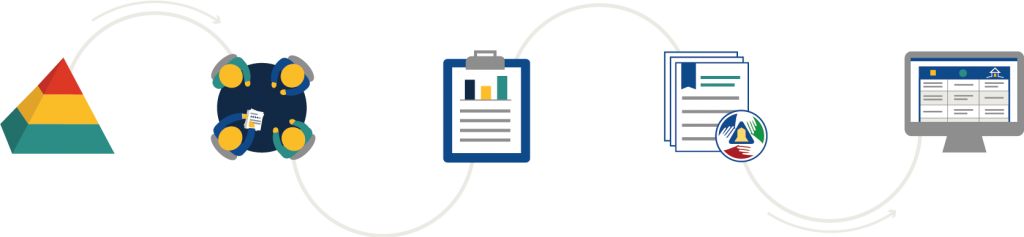
It starts with an assessment called the ASSESSMENT OF LAGGING SKILLS & UNSOLVED PROBLEMS (ALSUP) to focus on what is to be discussed on a solution sheet to develop a Plan B. The Plan B process has a Cheat Sheet to follow in order to elicit effective solutions.

Plan B Steps

five finger

Ross Greene’s Five-Finger Strategy Word Document

Here are a FAQ and a link to the CPS website for additional information.

Resource Packet

Film

Documentary Film The Kids We Lose

Youtube Lectures by Dr. Ross Greene – Here

Two Minute Videos

Additional Languages

Many of these instruments have been translated into other languages:


f-denmark.jpg
Danish
Netherlands flag
Dutch

Finnish
f-france.jpg
French

Italian
German flag Austria Flag Lichtenstein Flag
German

Japanese
f-norway.jpg
Norwegian

Polish

Russian
f-spanish.jpg
Spanish
f-sweden.jpg
Swedish

Vietnamese

“Staying Safe When COVID 19 Strikes” Video From Stanford University

COVID-19 Resources for Parents of Children with Intellectual or Other Developmental Disabilities – From The STRYDD Center

Overview PDF

A Guide For Families with A Child with An Intellectual and/orDevelopmental Disability During the Covid-19 Pandemic
From The STRYDD Center–Supporting Trauma Recovery for Youth with Developmental Disabilities
Long Island Jewish Medical Center, Northwell Health System
April, 2020
To support your child who has special needs during this time:
1. Help your child understand the changes that are happening. Give your child opportunities to express concerns. Children’s understanding of the challenges we are all experiencing and the changes to their routine will vary depending on their age, developmental status, and special needs issues. Younger children may have worries based on concrete reasoning and beliefs. Young children have a tendency to be “egocentric” in the sense of overestimating the child’s own role in “causing” events. For example, a 6-year-old wondered whether her having had a non-coronavirus illness was why no one could go to her school. An older child may develop misunderstandings based on “all-or-nothing” thinking, such a boy’s belief that because of his (mild) asthma if infected with COVID-19 he would certainly die. Sometimes teens with cognitive delays pass misunderstandings back and forth within their peer group (even if they are only communicating remotely). At all ages, children may have some misunderstandings that need clarifying. We will provide resources available at various developmental levels to explain and reinforce understanding of current changes.
Some general principles:
 Give your child an opportunity to express feelings, ask questions, and voice concerns.
 Some children may not use words to express concerns, but their play or drawings may provide strong clues, such as when a child starts acting out stories about people being sick when the child had not been doing this previously. For some children, expression of concerns is less direct but will be shown in behavior changes (as discussed further below).
 In addressing concerns, choose a time and place that works for you and your child. If you can, address simple questions when your child brings them up, but it is ok to let the child know you will talk further later. For some children, having a regular time and place will help them develop awareness of thoughts and feelings that they may not think of otherwise. For these children, a visual calendar may help keep this routine as well as reduce anxieties about what comes next in the day or week. (See below re: routines.)
 Give accurate information, but at your child’s level of understanding. Use concrete language for young children, those with cognitive delays, and those with difficulty with abstract language. When possible, do this in a conversation that allows you to check what your child has understood and follow up over time.
 Be honest. It is ok to let your child know when you do not have answers (such as, when school will open). Share that you will let your child know when you find out.
 For some children, visual support such as a simple social story can be helpful. Also, consider using resources developed in a variety of mediums such as children’s books, simple videos developed to address specific issues and children’s toys to illustrate and to help your child understand. (We provide COVID-19 related stories in our resource materials.) For a child who demonstrates concerns in play, you may also be able to respond, at least initially, in that medium. For example, for the child who is acting out themes about people getting sick, depending on the situations to which the child was exposed, you might role play actions a family member or a doctor takes to help people who are sick get better. You could also read a book or share through words the actions people take. Use materials at your child’s level of understanding that also fit your child’s preferred communication style. For example, a young teen with significant cognitive delay was very proud of his reading skills. He loved reading books designed for much younger children that used pictures and words to address concerns. In contrast, a boy with a significant reading disability and language processing issues was not interested in looking at most of those books, declaring them to be “for babies,” but would talk about issues when they could be related to sports—an area in which he excelled.
 Limit your child’s exposure to media discussions and adult conversations about COVID-19. The information may be confusing to young children and those with cognitive delays—and too much exposure is likely to heighten anxiety. Try to check what your child heard and what the child understood. Clarify misperceptions and address concerns. Remember that “out of sight is not necessarily “out of earshot.” For example, a parent who was talking on the phone about the illness of a family friend thought she was having an “adult only” conversation since her
children were in a different room; she was startled when her daughter asked a little later how the friend was doing. There is more opportunity for this to happen during periods of COVID-19 “sheltering in place” with many parents and children at home when they would have been at work or school.
2. Consider the changes your child is experiencing. Changes may include losses such as limited contact with important people (for example, grandparents or significant providers), or lost opportunities for activities to which your child was looking forward. Try to help your child with strategies for compensating when this is possible—and remind your child that many of the changes are time-limited.
3. Maintain structure and routines.
 Try to maintain routines for your child. Build on old ones when practical, establish new ones when necessary. This helps establish some predictability in a changing world. For example, a mother reported that her family’s days were working better when she restructured “shelter in place” weekdays to follow the family’s school day morning routines about getting dressed, eating, and then going to a specific place set up for learning (but in her house rather than the school building). You know your own child and your child’s best balance between structure and flexibility. To the extent possible, try to honor this.
 In planning your family schedule, do take into account needs of all family members—including your own!
4. Support emotional expression and emotional coping skills. Acknowledge and accept your child’s feelings—for example, saying that you can understand that your child might be sad (about missing someone the child cannot see or something the child cannot do) or might be frightened by some part of the situation. The resource materials provide many suggestions for aiding emotional expression and coping. Tailor them to your child’s skills and preferences. For example, the mother
of a ten-year-old boy who has autism noticed that her son—although very verbal–could express feelings and talk about them more readily when he could draw simple illustrations (often with simple cartoon-like stick figures). He made a poster of strategies he knew, including ones developed with his school counselor, to help him calm down and then was able to discuss which ones would work best at home.
5. Remember that all behavior is communication. If you are seeing an increase in behavioral problems such as irritability, a return to less mature behaviors, disruption in sleep or eating patterns, or physical complaints that on checking do not seem to have a physical basis, consider the following:
 Is there something in the current situation that is confusing or frightening to your child? (Please see first section on talking with your child).
 Is the behavior, although seeming like a step backwards, actually a request for reassurance that can be ok (on a temporary basis) for this situation—such as a child who had been sleeping on her own seeking the reassurance of coming into her parents’ bed?
 How are you doing with providing some structure and routines for your child?
 How are you doing with self-care? Your needs are very important and should be balanced with those of your child. Most children will pick up on and react to a parent’s level of stress.
Manage your own anxiety – breathe, take a break, talk to someone, don’t expect too much of yourself or your child at this time.
6. Cope with the move—at least temporarily—to a virtual world for education and many resources.
 On-line access: We provide information about a resource for families with limited on-line access.
 Education: With many school systems moving at least temporarily to virtual learning, parents are reporting a range of experiences for their children who are supposed to receive educational accommodations or related services such as speech therapy or occupational therapy.
 If you have access to your providers, please work with them on expectations and guidance for services for your child. Discuss any special issues you may be having, such as dealing with your child’s understanding of or compliance with on-line learning.
 If you do not have access to your providers, we list and briefly describe some of the many sites that provide support for structured learning activities.
 Educational entitlement: As of April 2020, schools that are providing instruction are still required to provide accommodations for your child’s special needs, as specified on IEPs and 504 plans—although there is discussion of possible future “waivers” (at least temporary changes in some of the rules). We provide links regarding educational rights and issues.
 Other services you may be receiving: Your child may have been receiving Applied Behavior Analysis (ABA) services, or your family may be entitled to other in-home services. Check with  your service providers about what they are able to offer, which can depend on a range of factors. Some in-home services are considered “essential services” that may be provided during social distancing, when providers are available. Some providers may be able to provide “virtual” (on-line) consultation during social distancing. Know your rights. (See information under educational access in the accompanying resource list).
7. Reinforce your child’s skill development—by everyday activities as well as formal learning.
8. Maintain socialization and social skills
 Encourage “play dates” or check-ins via video meeting software or other means, where possible.
 Use appropriate cautions concerning supervision of children’s interactions online including online gaming – there is a great deal of socializing going on right now. Children with disabilities can be teased, bullied, or manipulated – they may also obtain much needed social
support on such platforms. This might mean supervising or considering parental controls to monitor/control access to sites. See Parents’ Ultimate Guide to Parental Controls.
9. When needed, get information about how to deal with children’s health issues, including special health care needs in the current context: Many children with disabilities have special health care needs. Dealing with these needs can be challenging and may be more stressful during the pandemic. We provide resources to help address this issue.
10. Support your child with serious illness or death of a loved one: Your family may be experiencing the loss of people who have played an important role in your child’s life—such as a parent, grandparent, or extended family member, or teachers and other significant individuals. This can have a strong effect on children—including very young children and those with significant delays. We provide material on addressing your child’s response to separation, illness and loss.
11.Parent self-care: You are responding to your child with special needs in the context of your family’s other challenges. In addition to ongoing individual and family needs, many parents are coping with new work challenges (such as working at home, risks as an “essential worker,” or loss of work), financial uncertainties and hardships, and/or illness and loss of loved ones. Remember that taking care of yourself is critical for being able to also respond to your child’s needs. We provide
resources that address issues of self-care and balancing needs.

Resources

COVID-19 Resources for Parents of Children with Intellectual or Other Developmental Disabilities PDF

SEL THROUGH DISTANCE LEARNING FROM IFSEL

IFSEL’s RESOURCE LIST TO SUPPORT

SEL THROUGH DISTANCE LEARNING

We hope the following curated list of curriculum materials, articles, blogs, poetry and other resources will give you practical tools, inspiration, ideas, research, and more to empower you to support the emotional health and wellbeing of your community while keeping alive the SEL in virtual classrooms. We’ve done our best to divide the resources into categories. Most of what you will find here is relevant for K-12  and also for the adults and families in your communities. 

RESOURCES FOR SCHOOLS 

A New REALM – IFSEL’s Tips for Distance Learning Blog (IFSEL)

Weekly “Teach Meets” hosted by IFSEL

Don’t Worry about Academic Learning Lost from Covid (American Institute of Learning and Human Development

A Trauma Informed Approach to Teaching Through Coronavirus (Teaching Tolerance)

Online Team-Building Games Guide (Michelle Cummings)

Laughter, Learning, and Why Teens are such a Tough Crowd (Edutopia)

Wide Open School (Curated Resources from Common Sense Media)

The Discomfort You’re Feeling is Grief   (Harvard Business Review)

Mindfulness for Zoom Exhaustion  (Mindful)

Why Learning at Home should be more Self Directed and Less Structured (Edutopia)

Living History Journal  (Cathryn Stout)

4 Tips for Teachers Switching to Online Learning (Edutopia)

NAIS: Tips for setting up Temporary Distance Learning at Your School (National Association of Independent Schools)

Resource Hub for Remote Learning for Special Education Students (Education Weekly)

Elementary Ideas for Students at Home (We are Teachers)

What Teachers in China Have Learned in the Past Month (Edutopia)

Supporting Gender Expansive Kids in Times of Covid-19 (Gender Spectrum has multiple resources for youth, parents and educators. Please share with all students because you may not know who is transgender or non-binary.)

What Trans People Need to Know re: Coronavirus (Transgender Equality Project)

Flexibility in the Midst of Crisis (Psychology Today)

Overall Tips and LInks to Online Learning Resources (Hong Kong Academy)

Online Learning Resources for Teachers (Common Sense Media)

Learning from Home Resources (New Schools)

Insights for Online Learning (Teach for All)

What do we need to teach now? (Inside Higher Ed)

Coping with Disrupted Routines (Christine Carter)

Ok Go Videos and behind the scenes

Go Noodle!

RESOURCES FOR STUDENTS:

Letter from Teacher to High School Seniors

Covid 19 Toolkit – for Teenagers and Parents (Stressed Teens)

Regulating Emotions in a Covid-19 World (Tom Hollenstein)

Just For Kids: A Comic Exploring The New Coronavirus  (NPR)

Free Mindfulness Classes for Elementary Students (Mindful Schools)

Kids Around the World are Reading NPRs Coronavirus Comic  NPR

When Xenophobia Spreads Like A Virus – Codeswitch by NPR

The Social Distancing Cardio Workout (No Equipment))

Coronavirus: Protect Yourself and Stand Against Racism  (Facing History)

Brainpop Video re: Coronavirus

RESOURCES FOR FAMILIES  

How to have Family Meetings to Solve Conflict during Lockdown  (NY Times)

5 Killers of Your Child’s Creativity geared towards life during SIP – Institute for Learning and Human Development

How to Help Teen Shelter in Place (Christine Carter)

How to Help Pre-Teens in the Coronavirus Lockdown (Quartz)

The National Association of School Psychologist (NASP)- Guidelines for talking with children about COVID-19. (NASP)

How to Talk to Kids About Corona Virus  (New York Times)

Coronavirus, Wildfires, Oh My: What to Say to a Child Who’s Scared By the News,  (Steve Calechman)

Stigma and Resilience (CDC)

Mental Health and Coping During COVID-19 (CDC)

Keeping Learning in Challenging Times  (International School of Beijing)

Supporting kids academically during home learning  (Lisa Oefinger)

How to Talk to Kids and Teens About the Coronavirus – (Psychology Today)

Common Sense Media Resources for Parents re: Online Learning

Hand in Hand Parenting – Supporting Children during Sheltering In

Friendship Is Crucial to the Adolescent Brain (The Atlantic)

Using Social & Emotional Learning in Times of Stress (CDC)

Virus Anxiety (Take Care)

Stop Romanticizing Lockdown; it’s a Mental Health Crisis in the Making (Elephant Journal)

EQUITY AND INCLUSION

Speaking up against Racism during Coronavirus (Teaching Tolerance)

What about Children who are Disconnected? (Brookings)

When Xenophobia Spreads Like A Virus – Codeswitch by NPR

Coronavirus: Protect Yourself and Stand Against Racism  (Facing History)

What Trans People Need to Know re: Coronavirus (Transgender Equality Project)

A Trauma Informed Approach to Teaching Through Coronavirus (Teaching Tolerance Magazine)

Supporting Gender Expansive Kids in Times of Covid-19 (Gender Spectrum has multiple resources for youth, parents and educators. Please share with all students becuase you may not know who is transgender or non-binary.)

Social Distancing is a Privilege  (Optionon: Charles Bow)

GENERAL EDUCATION RESOURCES  

ReflEQ  – SEL and meta-skills for subject teaching 

Resources for Learning at Home (Captain Planet) – Nature and Science

Biomimicry Youth Challenge

PE with Coach Wood YouTube

Art at Home

Storycorps

Museum Virtual Tours

Wow in the World (NPR Podcast)

Podcasts 

Brains On: Forever Ago

Broadway Plays, etc. 

INSPIRATION

“Pandemic” (Poem by Lynn Unger)

Creating a Home Retreat: Finding Freedom Wherever you Are (Jack Kornfield)

Encouraging Songs of Comfort amid Global Crisis  (Yo Yo Ma)

A Steady Heart in the Time of Coronavirus (Video Tara Brach & J. Kornfield)

Compassion in the time of Coronavirus (Jack Kornfield)

Poems for Shelter in Place (Poets.org)